
From Reading to Reality
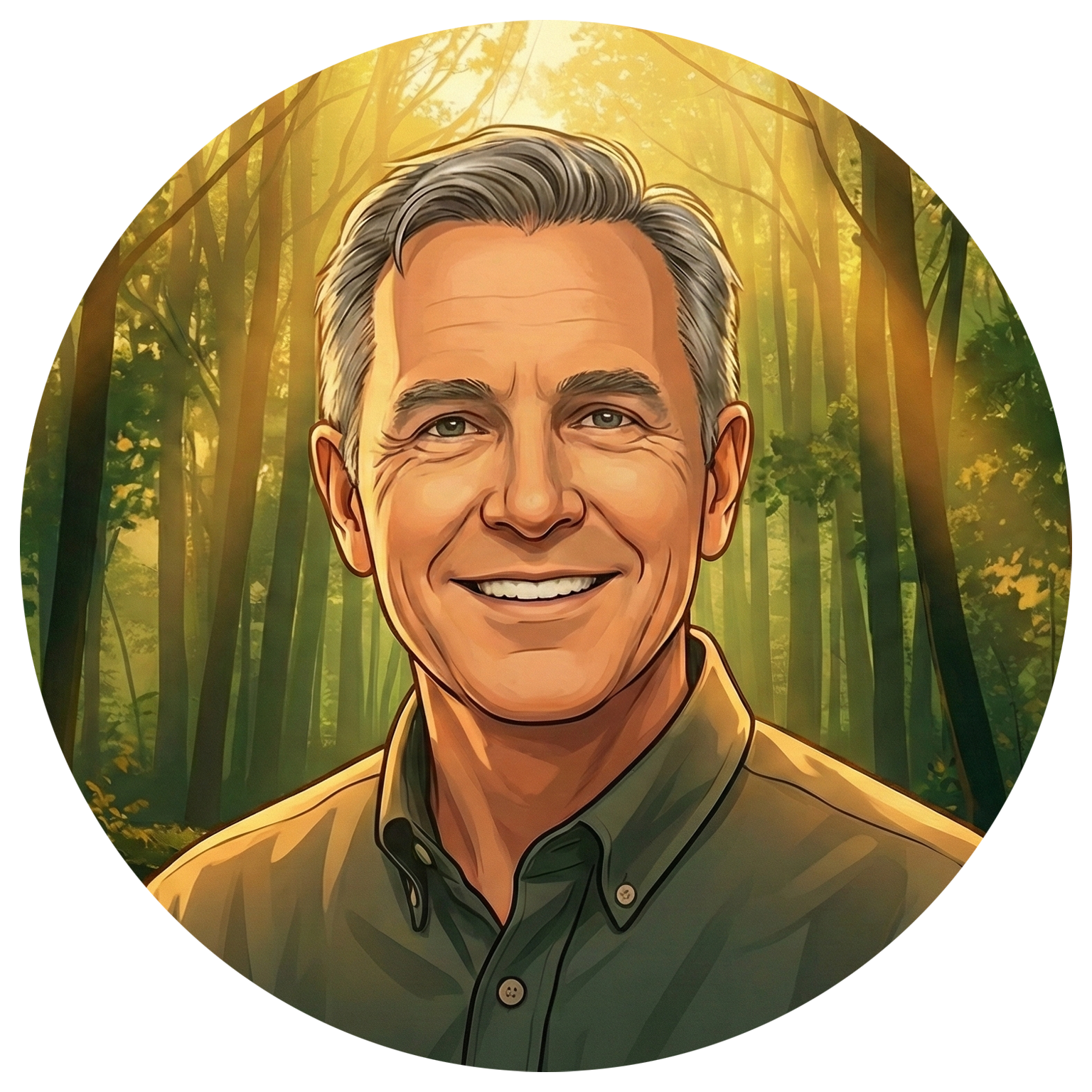
Tim Gibney, known as "The Resilience Doctor," is an entrepreneur and personal development coach dedicated to helping individuals navigate a distracted world. Drawing on psychology, Stoic philosophy, and practical spiritual practices, Tim emphasizes the vital difference between understanding a concept and living it. Compliant with the International Board of Standards for Training, Performance and Instruction, he provides actionable strategies for focus and resilience, helping others move beyond trivial distractions to hear "God’s whispers" in their daily lives.
How "Choosing Presence" Helped Me Hear God’s Whispers
Having read six other authors on the topic, I was curious what more I could learn from "Choosing Presence." I decided to buy it, and I’ve already read it twice this month! Jim Heaney has opened my eyes to the possibilities of a deeper practice, and I am incredibly glad to have this book in my collection.
Editor’s note: This testimony has been lightly edited for clarity and coherence while preserving Tim’s voice.

I believe we live in an era of deep distraction. Email and social media have taken hold of us, and it often feels like we are living in a "throw-away" society—one where we throw away the precious time we have on this earth on trivial or inconsequential things.
To give you some personal history, I bought the classic The Practice of the Presence of God many years ago. I became so excited about this way of living that I eventually collected five other books on the topic. However, when I first heard about Jim Heaney’s book, Choosing Presence, I was doubtful. I wondered what good it would do me, since I had already read so much on the subject and yet still wasn’t truly "living in the presence."
A short time later, I figured, "Why not?" and ordered it. I soon realized that reading and understanding are two very different concepts. In the past month, I have already read the book twice. (I should clarify that when I read, I make notations and identify key passages for my personal growth so I can return to them easily.)
For a number of years, I have practiced the Examen at the end of every day and carved out time to pray at least three times daily. Yet, I’ve realized that life’s events often get in the way of me giving these practices my full attention.
When I began using the questions in Choosing Presence, I realized that transformation isn't always immediate. For example, the first question is simply, "Am I present now?" Even that challenged me; I found myself still thinking about what I had just done rather than what I was currently doing.
I realized I needed an "Introductory Statement" to help me focus. The book provides many excellent examples of how to "set the intention," and I now see how I can use these questions before taking on any task.
It is my hope that as I continue this work, I’ll be less distracted and more focused on the present moment. I’ll leave you with one final question to ponder: How else can we get peaceful enough to hear God’s whispers to us?
