

Christian Journaling:
Meeting God in the Moment
A Guide for Starting Your Practice

How Journaling Supports Christian Meditation & Presence
Journaling is more than a wellness practice. It can become a spiritual discipline that deepens your relationship with God. When paired with Christian meditation, journaling helps you notice God’s presence in daily life, process your experiences with honesty, and grow in spiritual discernment. Research also shows it offers wide-ranging emotional and physical benefits.
Benefits of Journaling
(What Research Suggests)
-
Journaling provides space to slow down, reflect, and recognize God’s presence. Writing about Scripture, prayer, or everyday experiences helps you linger longer with God, notice spiritual patterns, and remember moments of grace. As one Christian writer observes, journaling “slows down your thoughts and helps you unplug and focus on God’s word.”
【web†thegospelcoalition.org】
-
Expressive writing makes room for grief, joy, anxiety, or doubt, transforming raw feelings into prayerful reflection. Studies of journaling show measurable improvements in mental health, including reduced anxiety, depression, and stress symptoms. When practiced in a Christian context, journaling invites God into these emotions, turning them into opportunities for healing and trust.
【web†pmc.ncbi.nlm.nih.gov】
-
Writing engages both mind and body, which improves memory and retention of Scripture and spiritual insights. Bible journaling, for instance, increases understanding and helps people dwell more fully in God’s word. By capturing insights on paper, you create a personal record that strengthens attentiveness to God’s ongoing presence.
【web†thomasnelsonbibles.com】
-
Research confirms that journaling lowers stress and anxiety while improving sleep, blood pressure, and overall well-being. By clearing mental clutter, journaling helps you move from reactivity to reflection, supporting the inner stillness needed for Christian meditation.
【web†bluecrossvt.org】
-
The benefits of journaling extend beyond the mind. Studies link expressive writing with improved immune function, faster healing, and reduced physiological stress responses. This underscores a holistic truth: caring for the soul through prayerful journaling also nurtures the body God has given us.
【web†cambridge.org】
-
At its heart, journaling is a way of practicing presence—recording how you notice God in daily life, what distracts you, and where you sense guidance. Over time, your journal becomes an archive of grace, reminding you of God’s faithfulness and anchoring you more deeply in the present moment.
▾ Ready to Journal? ▾

How to Start: Simple Steps & Prompts
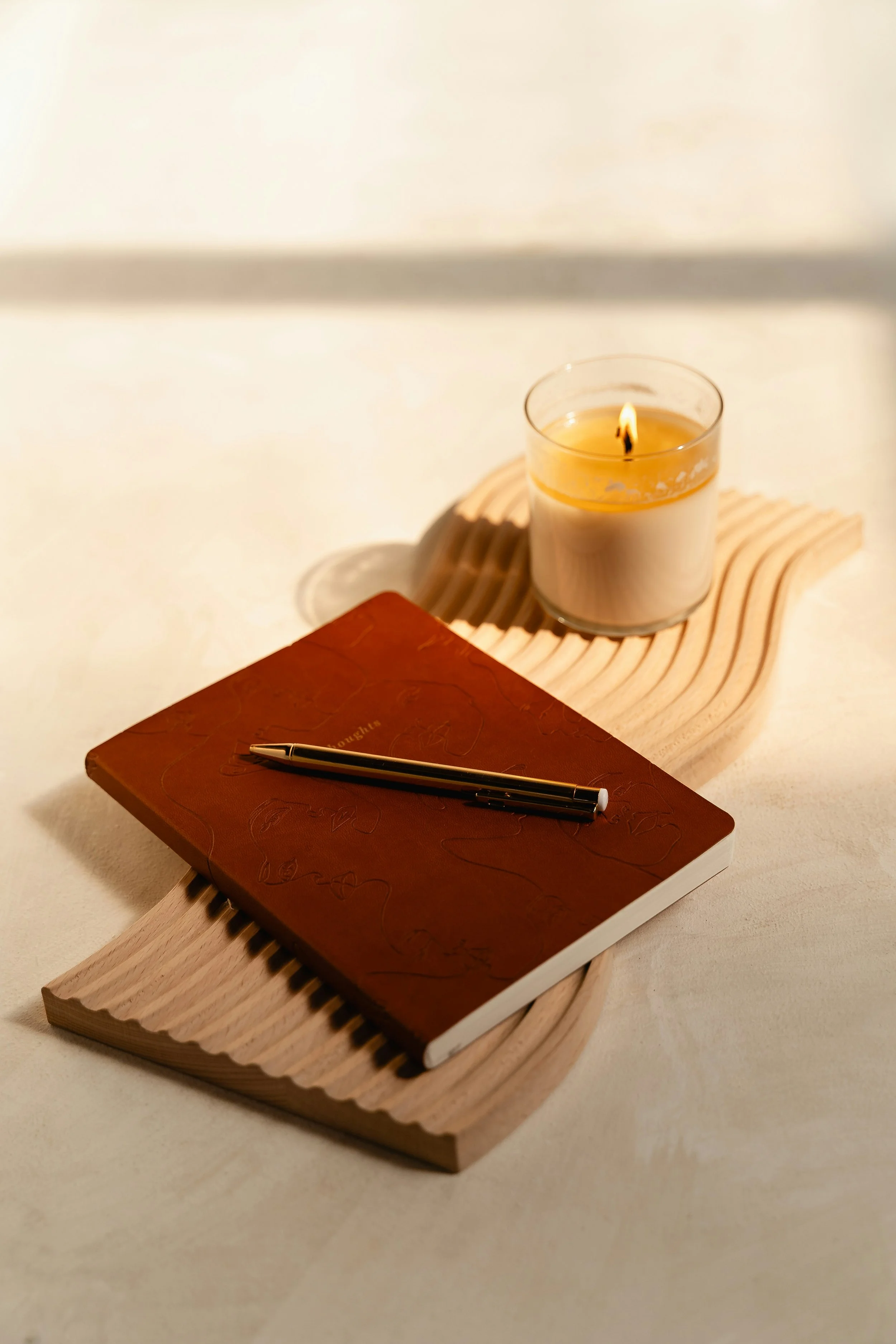
Starting Your Journaling Practice
Find Your Space and Tools
Create a cozy, distraction-free environment that feels inviting. Pen and paper are classic, but experiment with digital tools, colorful pens, or even art supplies if that sparks creativity.
Start Small and Build Consistency
Aim for 5–10 minutes daily, even if it’s just jotting down thoughts. Consistency is key—set reminders or integrate journaling into your daily rhythm, such as after prayer, before bed, or following a workout.
Embrace Freewriting
Don’t worry about grammar or structure. Allow thoughts to flow freely, like a stream of consciousness. This openness clears your mind, invites honesty, and can become a form of prayer.
Use Christian Journaling Prompts
If you’re unsure what to write, prompts can help you notice God’s presence and cultivate reflection. Try questions like:
Where did I notice God’s presence today?
What is God inviting me to release?
What grace or consolation did I experience?
How am I called to serve this week?
What am I most grateful for today?
👉 Download Christian Journaling Prompts (PDF)
Personalize Your Journal
Make it your own: decorate it, use bullet points, draw, or add collages—whatever helps you express yourself authentically. Remember, journaling is a personal journey. Explore different approaches and discover what works best for you.
Connect with More Resources
Journaling is one way to deepen your practice of presence. Explore more resources to support your journey: