
Learning to Pause, Breathe, and Respond With Grace: Charlie’s Healing Journey Into Presence
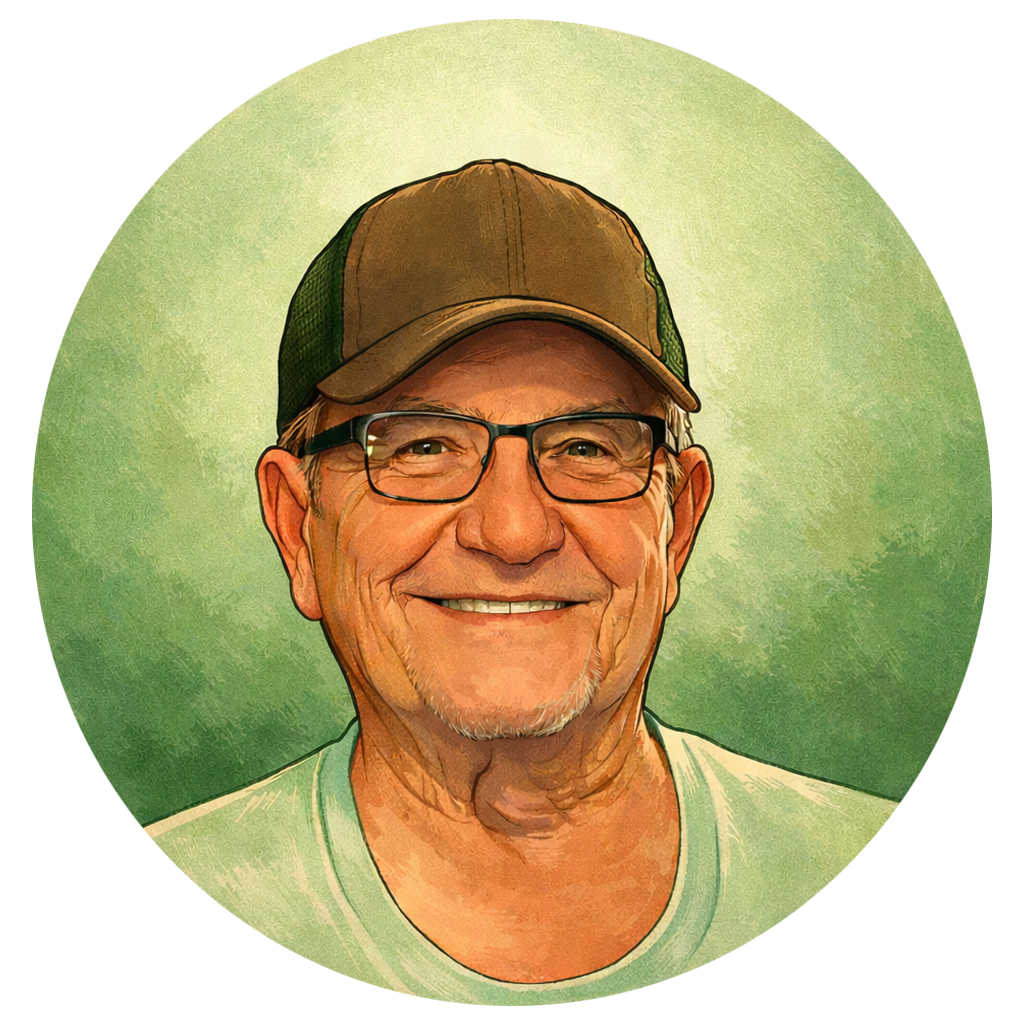
Charlie Myking is a spiritual seeker whose journey with Choosing Presence and the Practice of Presence has led to profound personal transformation. Through Jim Heaney’s teachings, Charlie discovered a grounded path toward inner clarity, learning to meet life’s chaos with compassion, curiosity, and calm. His practice deepened into a daily rhythm of mindful pauses, contemplative prayer, and embodied awareness—revealing the powerful connection between breath, emotion, and healing. Presence, for Charlie, became not just a technique but a way of being.
Choosing Presence, as Jim Heaney teaches, has been a transformative experience. His approach emphasizes the gentle yet intentional act of returning to the present moment, even amidst life’s chaos. I realized that this practice wasn’t about achieving perfection; it was about cultivating awareness and compassion for myself as I navigated the struggles of my daily existence. By choosing presence, I noticed the subtle shifts—a softening in my thoughts, a loosening of the grip my anxieties held over me. Heaney’s teachings provided a framework that felt accessible and profoundly human, encouraging me to approach each day with curiosity and kindness rather than judgment.
This journey into choosing presence began to ripple outward into the rest of my life. As I became more attuned to the present moment, I started to recognize the intricate ways stress had embedded itself into my body and mind. The act of pausing, even if just for a few breaths, offered more than just a reprieve—it became a lifeline. It was as though I were learning a new language, one rooted in stillness and observation rather than reaction. Each pause became an opportunity to recalibrate, to observe my thoughts without being swept away by them, and to explore the possibility of responding thoughtfully rather than impulsively.
Over time, this practice began to anchor me in moments of quiet clarity. It wasn’t without its challenges—there were days when the temptation to drift into mindless distraction was overpowering—but the consistent return to presence became a form of resilience. I discovered that the body and mind are deeply interconnected, and through intentional observation, I could begin to unwind the physical tension that often mirrored my mental state.
One particular revelation came during a session of contemplative prayer, where I found myself deeply attuned to the rhythm of my breath and the gentle sensations of my body. It was in this state that I started noticing patterns of tension, particularly in areas like my jaw and shoulders, spots where I unconsciously stored stress. Exploring presence with such depth showed me how the practice wasn’t limited to emotions and thoughts—it extended into the very physicality of existence.
The practice also gave me a renewed sense of agency over my well-being. I began to embrace the idea that small, deliberate actions—whether it was taking a mindful breath, stretching my tense muscles, or simply observing the rhythm of my thoughts—could lead to profound changes. Each decision to choose presence was a step away from the overwhelming pace of life and toward a quieter, more centered experience. It wasn't just about escaping stress; it was about meeting it with a calm, grounded awareness.
As the turbulence in my mind began to settle, I realized how much I had neglected listening to the signals of my body. Presence became a bridge, linking my mental practices to physical healing. This connection was empowering, as it reminded me that the path to greater clarity and peace was not dependent on external circumstances but could be cultivated from within.

This path, however, was not linear. There were moments when the practice felt elusive, as if I were chasing something that couldn’t be grasped. Yet, every time I returned to my breath, I was reminded that presence doesn’t require perfection. It requires patience—a willingness to sit with discomfort, to let the noise of life wash over me without being consumed by it. In those quiet spaces, I found echoes of wisdom from other practices I had encountered, such as the principle to “pause when agitated.” This simple act turned out to be a profound doorway.
Through these pauses, I learned to meet my inner chaos with curiosity rather than resistance. The small act of noticing, of observing without judgment, unlocked layers of insight into the patterns that dictated how I moved through the world. It was as though I were cultivating a garden, one breath at a time, each pause nurturing the roots of awareness and self-compassion.
As I delved deeper into the practice, I found myself increasingly drawn to contemplative prayer and meditation as sacred tools for exploring presence. These practices seemed to serve as mirrors, reflecting both the weight of my inner turmoil and the possibility of release. In moments of stillness, I began to uncover layers of tension and unease within myself—not as failures to overcome, but as opportunities to understand and grow.
Experiencing these revelations often felt humbling. The act of observing my breath became a gateway to untangling the knots of stress embedded in my daily rhythms. I started to notice how, with each mindful inhale and exhale, my awareness expanded, allowing me to trace the connection between my physical sensations and my emotional responses. This process wasn’t about fixing anything, but rather about creating space—space to witness, to feel, and to invite healing into the intricacies of my being.
Presence became more than a practice; it transformed into a living relationship with myself and the world around me. This newfound attentiveness inspired me to approach life’s chaos more thoughtfully, responding rather than reacting. It was here that I realized how profound and personal the journey into presence could be, its impact rippling outward in ways I hadn’t anticipated.
